
Image
Library Catalog
Summary
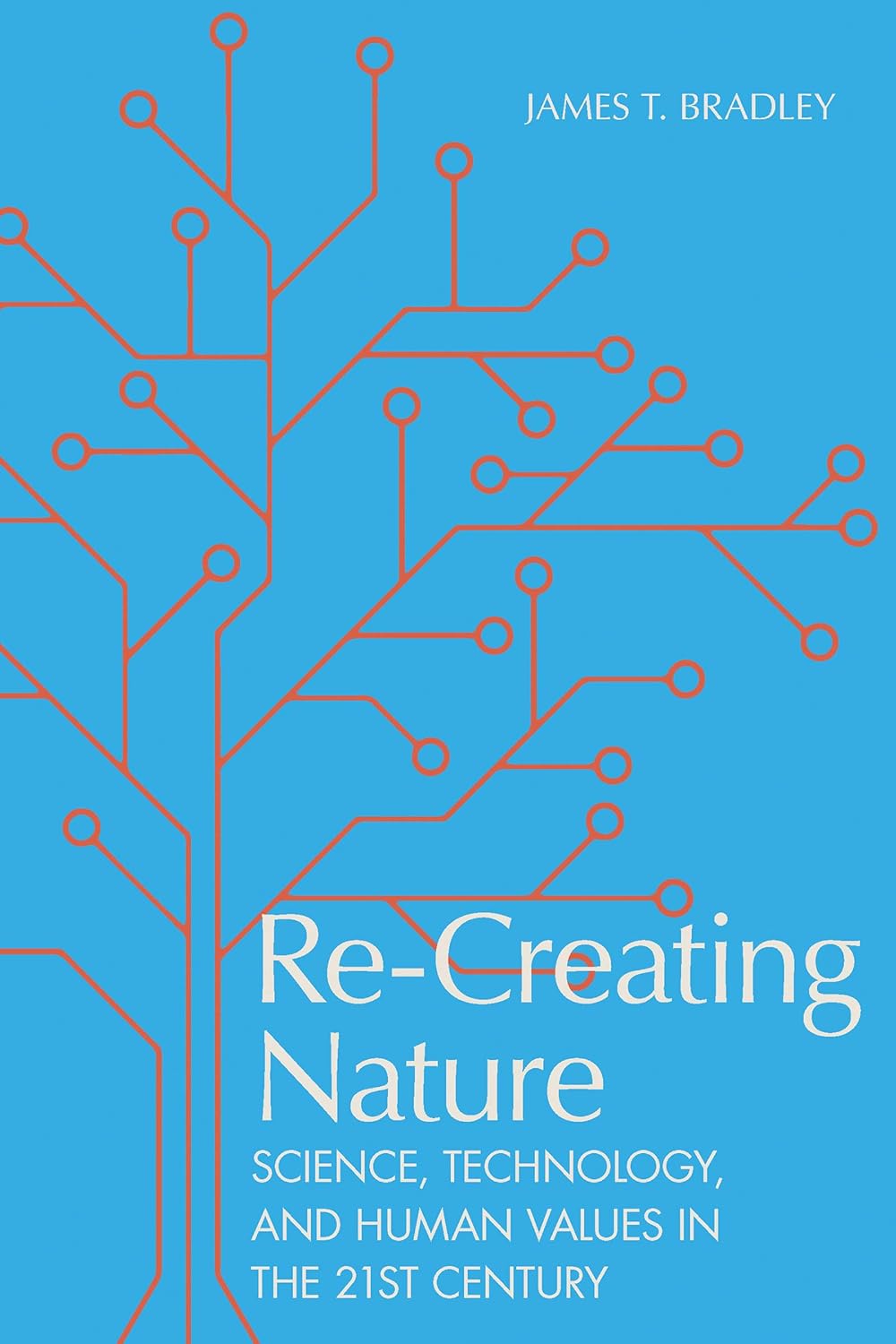
Many of the ethical issues raised by new technologies have not been widely examined, discussed, or indeed settled. For example, robotics technology challenges the notion of personhood. Should a robot, capable of making what humans would call ethical decisions, be held responsible for those decisions and the resultant actions? Should society reward and punish robots in the same way that it does humans? Likewise, issues of safety, environmental concerns, and distributive justice arise with the increasing acceptance of genetically modified organisms (GMOs) in food production nanotechnology in engineering and medicine, and human gene therapy and enhancement. The problem of dual-use, when a technology can be used both to benefit and to harm, exists with virtually all new technologies but is central in the context of emerging 21st century technologies ranging from artificial intelligence and robotics to human gene-editing and brain-computer interfacing. In Re-Creating Nature: Science, Technology, and Human Values in the Twenty-First Century, James T. Bradley addresses emerging biotechnologies with prodigious potential to benefit humankind but that are also fraught with ethical consequences. Some actually possess the power to directly alter the evolution of life on earth including human. Specifically, these topics include stem cells, synthetic biology, GMOs in agriculture, nanotechnology, bioterrorism, CRISPR gene-editing technology, three-parent babies, robotics and roboethics, artificial intelligence, and human brain research and neurotechnologies. Offering clear explanations of these various technologies, a pragmatic presentation of the conundrums involved, and questions that illuminate hypothetical situations, Bradley guides discussions of these and other thorny issues resulting from the development of new biotechnologies. He also highlights the responsibilities of scientists to conduct research in an ethical manner and the responsibilities of nonscientists to become 'science literate' in the twenty-first century
Call Number
TP 248.2 .B73 2019
Publication
Tuscaloosa : The University of Alabama Press, 2019
Description
xix, 381 pages ; 24 cm.
Subjects
Biotechnology - Moral And Ethical Aspects
Contents and Notes
Cells, molecules, genes, and nature -- Embryos, stem cells, genetic enhancement, genomics, and synthetic biology -- Genetically engineered organisms -- Crispr and life's future -- Nanotechnology, life, and nanoethics -- Brains, minds, and neuroethics -- Robots and roboethics -- Responsibilities and living well with modern biotechnologies -- The urgency of now.
Authors and Contributors
Bradley, James T
System ID
501372f3ce
ISBN
9780817320294
Authors and Contributors
Bradley, James T
Forms and Genres
Book
Non-Fiction
Subjects
Biotechnology
Moral And Ethical Aspects